5 key stages of game development process
Last updated: Jun 19, 2026
The stages of game development can be roughly divided into 2 - pre-production and production: preparation for the release of game content and production itself. However, it's worth digging a little deeper to understand the important subtleties. In most cases, when creating a game from scratch, the product goes through 5 stages of development:
 It is fundamentally important that all project and product documentation is kept up-to-date at all stages of project development. It is right to use special tools to use and update them effectively. Among key principles of product documentation are: structuring, protection from ambiguity, full product description, and regular updates.

 The development team is busy at this stage fixing technical bugs encountered in the operation and optimising the product. Game designers are engaged in fine-tuning the gameplay for the actual situation in the game world (especially important for MMO projects). They also implement various in-game features, supporting new monetization schemes. And, of course, new content is being developed and integrated into the product to maintain players' interest.
1. Concept
In this first stages of game development, the team comes up with a concept for the game, and conducts initial game design work. The main goal of this stage is the game designer's documentation, which includes Vision (a detailed document describing the game as a final business product) and Concept Document (an initial elaboration of all aspects of the game). In the product documentation, the game designer formulates and stores his or her ideas. The product documentation allows the tester to properly understand his/her tasks to implement the product. The tester clearly sees what to test and how to test it. For the Producer/PM this documentation provides material for making plans and monitoring the tasks. For the Investor (especially in the early stages), they get an understanding of what they are allocating funds for.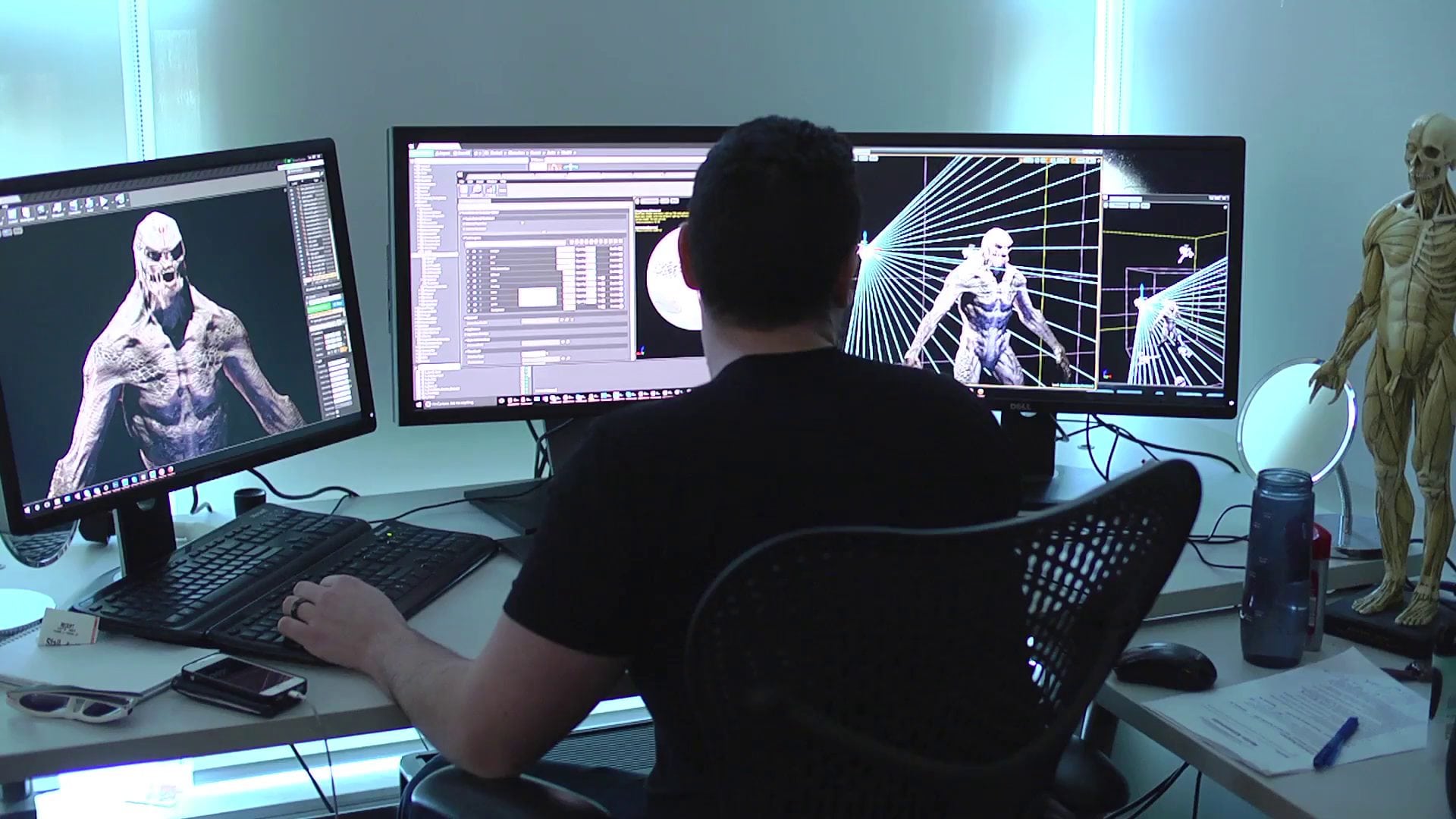 It is fundamentally important that all project and product documentation is kept up-to-date at all stages of project development. It is right to use special tools to use and update them effectively. Among key principles of product documentation are: structuring, protection from ambiguity, full product description, and regular updates.
2. Prototyping
Prototyping is an important stage in the design of any game. What looks good on paper won't necessarily be interesting in reality. A prototype is implemented in order to evaluate the basic gameplay, test various hypotheses, conduct tests of game mechanics and check the key technical points. It is very important at the prototyping stage to implement only what needs to be tested and in a short time frame. The prototype should be easy to implement, as once the goals set for it have been achieved, it should be "thrown away".
3. Production
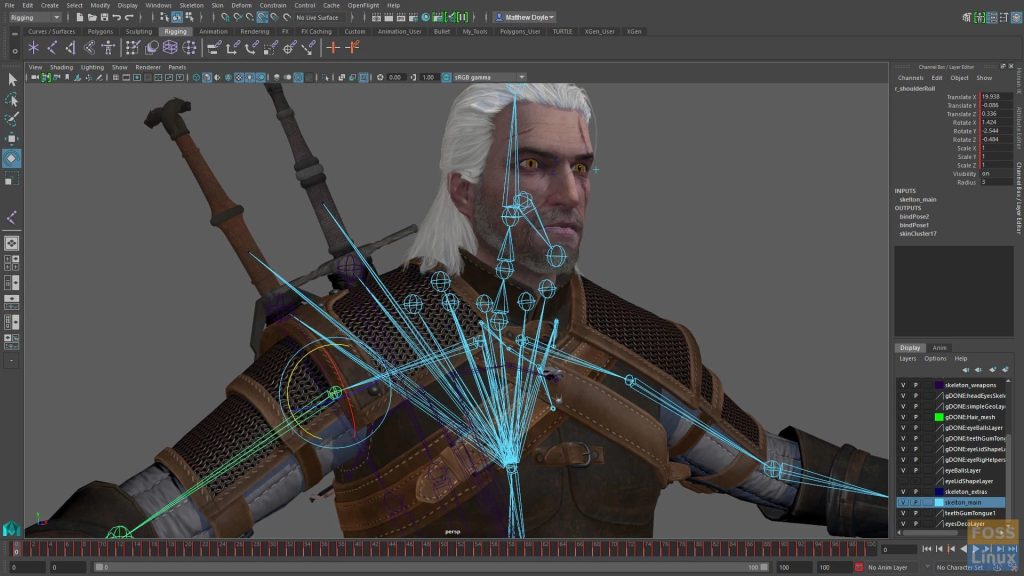
At this stage, a sufficient amount of content is produced for the first launch to an external audience. All the features planned for closed beta-testing are implemented. This stage involves most of the specialists who are engaged in the production of all the core content of the game. Artists create all the graphic resources, game designers adjust the balance and fill in the configurations, programmers implement and polish all the features.4. Testing
The most important tasks at this stage are: finding and fixing game design bugs, game logic problems and fixing critical bugs. At this stage all the key features are present in the game, there is enough content for a full-fledged game for a long time, statistics collection and analysis are arranged. Testing is based on test plan, stress-tests are conducted with real players. Optimisation for high loads is underway. At this stage, development of new features is completed. Now we don't implement something new, but fully switch to debugging and tuning of the existing features. Game designers, producer and analysts draw conclusions from the statistics collected at CBT and check the effectiveness of monetization.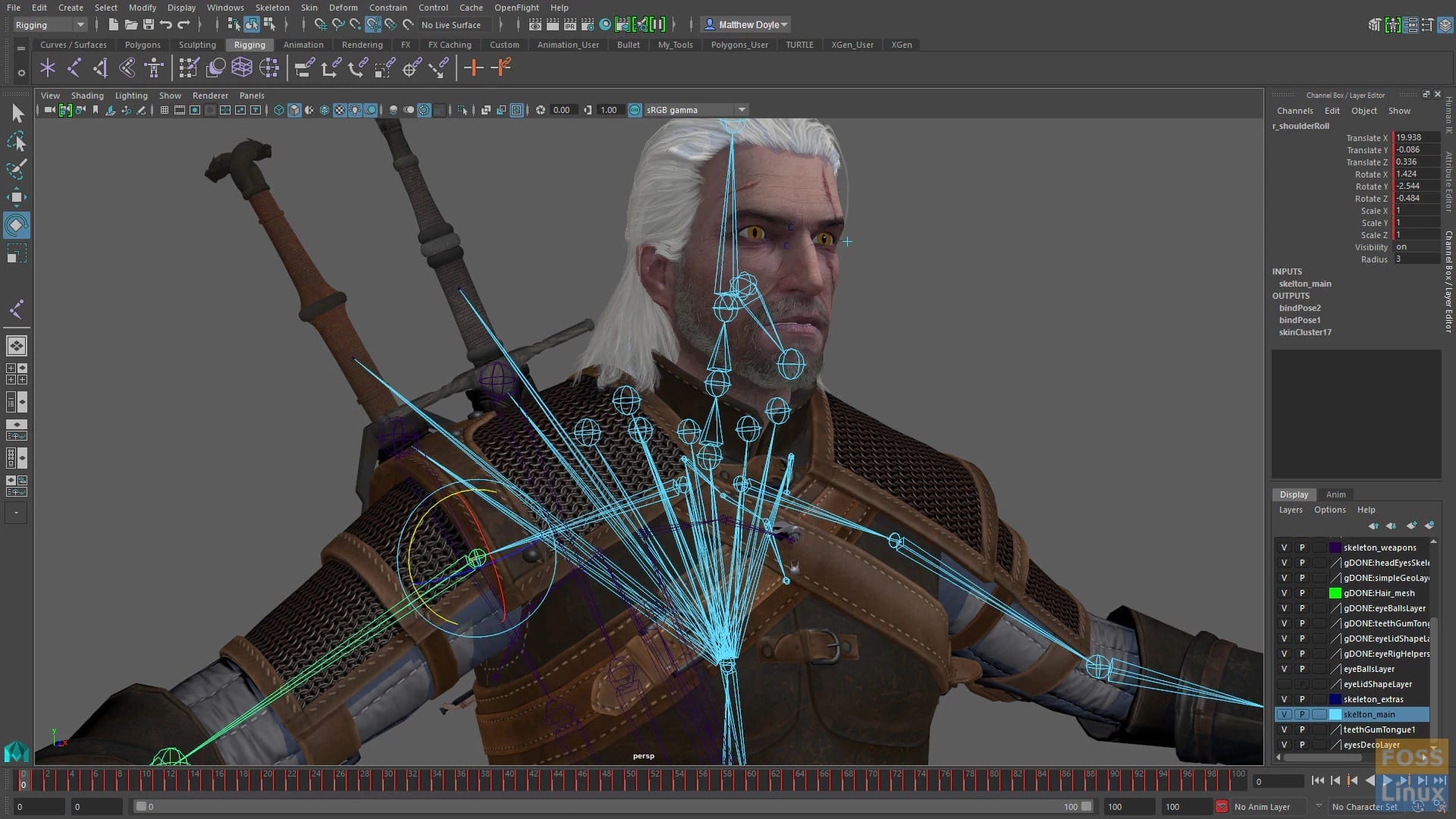
5. Release
The key goal is to make a profit. The basic criterion used to assess profitability: the amount of money brought in by one player on average over all time should exceed the cost of recruiting that player. In this first stages of game development, the product operation should be fully established (technical support, community work), marketing and financial plans should be fulfilled, financial performance should be improved and channels to attract traffic should be actively developed. The development team is busy at this stage fixing technical bugs encountered in the operation and optimising the product. Game designers are engaged in fine-tuning the gameplay for the actual situation in the game world (especially important for MMO projects). They also implement various in-game features, supporting new monetization schemes. And, of course, new content is being developed and integrated into the product to maintain players' interest.