Why Strong Visual Style Matters in Modern Game Development
When people think back on their favorite game, they rarely talk only about the mechanics. More often than not, what sticks in their memory is the atmosphere, the characters, the colors, the interface, the effects, and the overall vibe of the game. That’s exactly why the visual aspect has long since ceased to be merely “eye candy.” Today, it directly influences how a player perceives the game, how quickly they immerse themselves in it, and whether they’ll want to stay at all.
Good art sets the tone for the entire product. From the very first screens, the player understands whether they’re facing a dark action game, a bright casual title, a slot game with high-end visuals, or a mobile project with a strong emphasis on style. In such projects, a professional game art studio becomes not just a contractor, but a part of the production process that helps establish a unified visual language for the entire game—from the first sketches to the final screens and promotional materials.
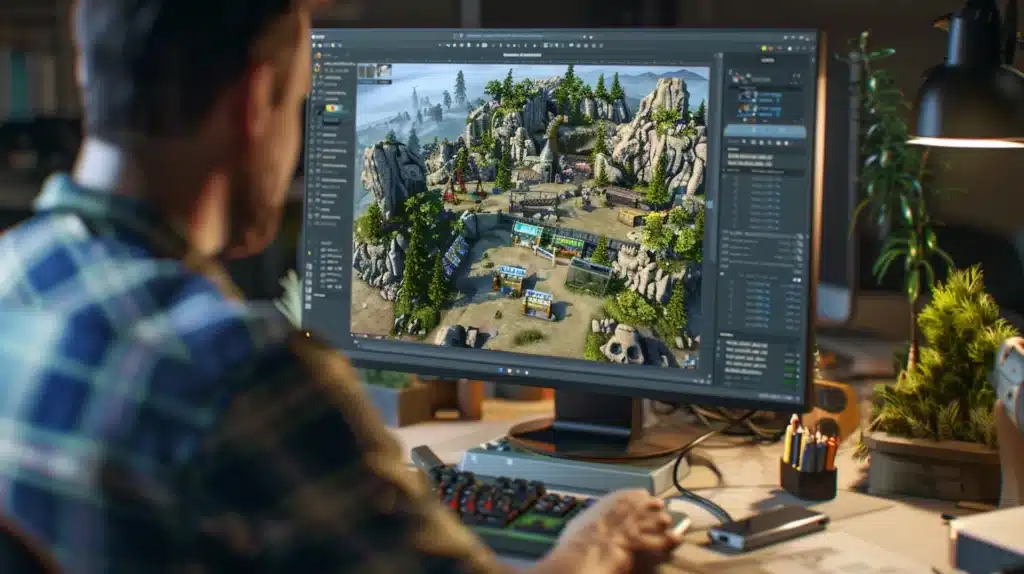
Why visual style matters more than it seems
Strong visuals work on several levels at once. First, they help the game stand out. Players see dozens of similar projects every day, and it is often the style that serves as that hook that grabs their attention at first glance. Second, good art makes the game easier to understand. When the interface is easy to read, effects don’t get in the way, and objects in the frame are visually distinguishable, the user doesn’t experience unnecessary frustration. There’s another point that’s often underestimated. Visual consistency saves the team time. If a project has a clear artistic direction from the start, it becomes easier to create characters, environments, animations, UI elements, and promotional materials. You don’t have to argue over and over again about which style to follow or why one screen looks like it’s from a completely different game.
From Concept to Finished Game Content
Concept art isn’t just pretty pictures for a presentation. At this stage, the logic of the world, the mood of the scenes, the appearance of the characters, visual accents, and even the game’s pacing are born. A mistake at the concept stage ends up being costly, because reworking assets that have already been assembled is always more difficult than adjusting the idea early on. After that, other departments get involved. Characters take shape and develop personalities, the environment begins to support the gameplay, the interface becomes part of the experience, and effects add energy to the scenes. This is particularly evident in commercial projects, where not only gameplay scenes matter, but also the design of events, banners, store materials, and seasonal content.Illustration helps the game look more polished and engaging
In many projects, it is the illustration that evokes emotion. This could be a loading screen, key art for the store, an event banner, a story scene, or a promotional image for advertising. When such visuals are created with an understanding of the genre and audience, the game begins to feel more polished, cohesive, and confident. In this context, an illustration studio is especially useful for teams that need not just a set of technical images, but an expressive visual presentation with character. Illustration is also important because it connects the game itself with its marketing. Players first see a banner, cover, ad, or preview, and only then dive into the project. If there’s too big a gap between the marketing presentation and the actual game, trust is quickly lost. But when the style is consistent throughout, the project looks professional and generates more interest right from the start.What tasks does a strong art team handle?
Typically, a good game art team helps cover several areas at once:- concept art for the world, characters, and objects
- illustration for banners, key art, and events
- character design for recognizable heroes
- 3D art for models and game assets
- UI/UX for an intuitive and user-friendly interface
- VFX for hits, rewards, flashes, and dynamic effects
- slot game art for symbols, backgrounds, animations, and win effects
The reviews (0)